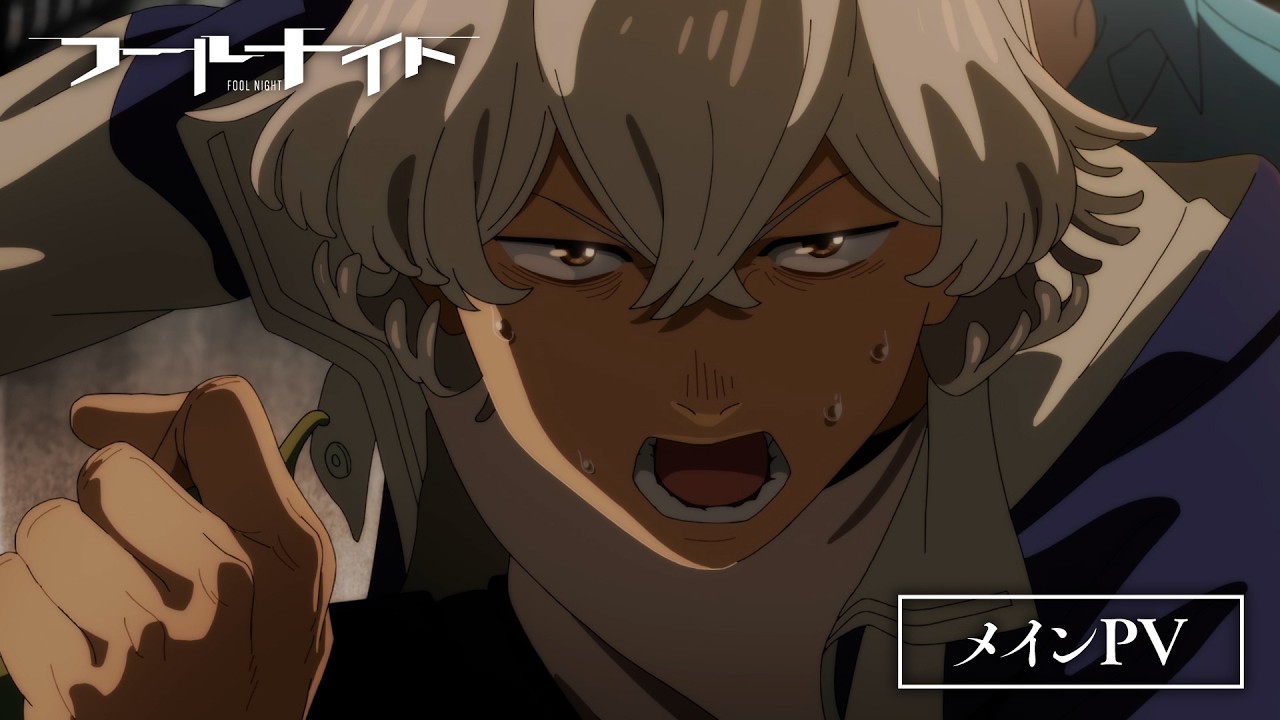
Fool Night Review: Is the Netflix Anime Worth Watching?
A spoiler-light Fool Night review: what works in Sunrise and Shaft's adaptation, what does not, who it suits and how it lands with viewers in its first week.
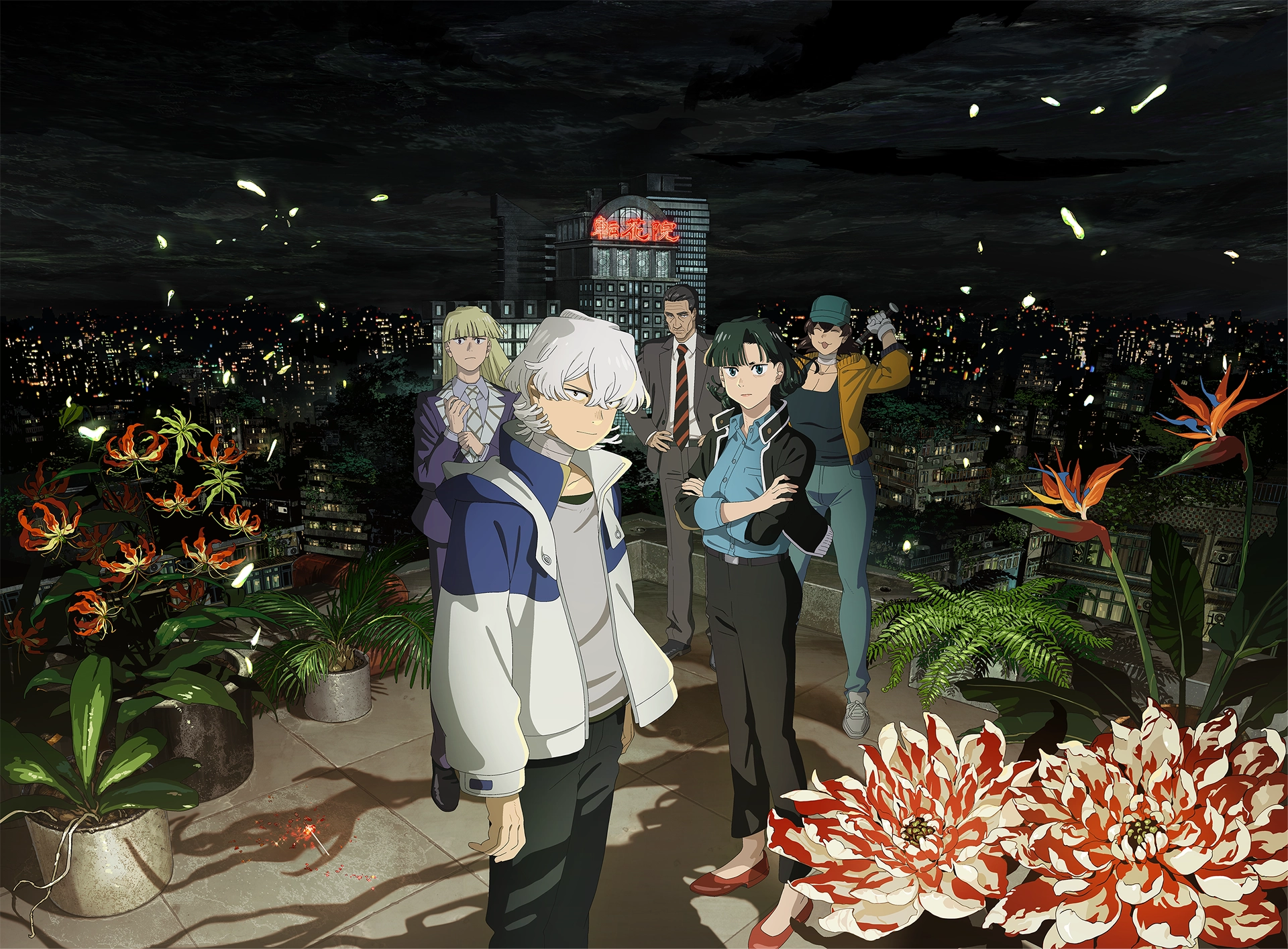
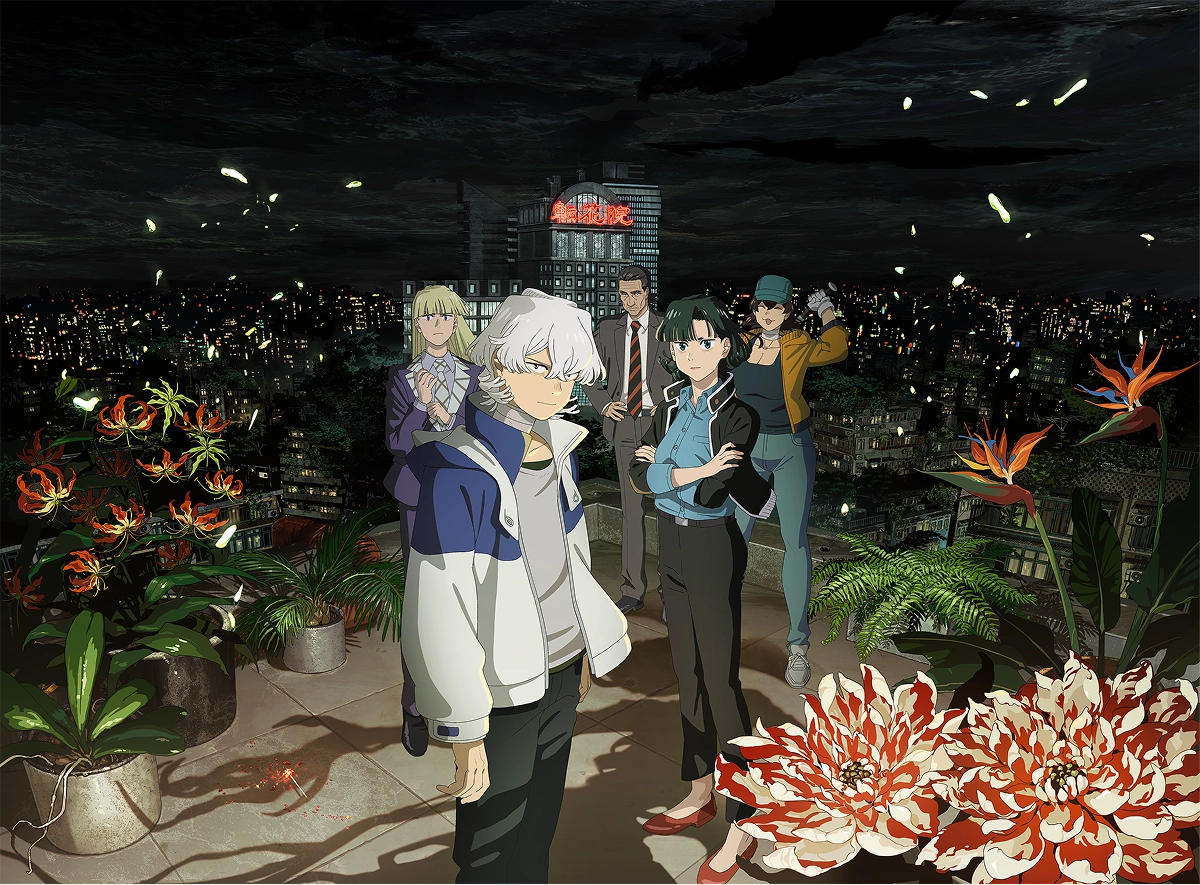
Key art © Kasumi Yasuda / Shogakukan · Sunrise · Shaft
Fool Night is five hours long, released in one go, and rated TV-MA. Whether that is a recommendation or a warning depends on what you want from it. This is a spoiler-light review, with the plot kept out of it.
The short answer
Watch it if you want a cold, well-made dystopia that treats its science fiction as a bureaucratic horror story. Skip it if you want a series where the good guys win, or if you need a story that resolves its central mystery inside one season. Fool Night does neither, and it is not apologetic about that.
What it does well
The premise is the strongest thing it has. People near death sell their bodies to become plants that emit a small amount of oxygen, and the show never lets you forget that this is an industry with paperwork, staff and a waiting list. The horror is administrative rather than supernatural, which is a much rarer thing in anime than the setting suggests.
Shaft and Sunrise working together for the first time is the other reason to watch. Shaft's instinct for composed, slightly off-centre frames and Sunrise's handling of machinery and cityscapes meet in the Transflora Medical interiors, which are lit like laboratories and shot like museums. The show looks expensive without looking loud.
Toshiro's ability is used better than most. Hearing the voices of the people who became plants could have been a gimmick. Here it functions as an investigative tool and as a moral weight at the same time, and the finale turns it into the thing that saves his life for reasons he cannot control.
Where it struggles
Twelve episodes is a tight container for a manga that has been running since November 2020 and is thirteen volumes deep. The first four episodes are patient. The back half moves much faster, and the last two episodes carry a conspiracy reveal that some viewers will find under-set-up.
The tone is also relentless in a way that will lose people. There is no comic relief to speak of, the palette is deliberately drained, and events in the middle of the season are genuinely upsetting rather than exciting. That is a choice, not a flaw, but it is a choice that limits the audience.
What viewers made of it
MyAnimeList had it at 8.10 out of 10 from more than 43,000 ratings on November 27, 2026, one day after release, which is a solid score for a new title rather than a breakout one. The r/anime thread for the final episode was mixed: viewers there praised the themes and the darkness while the overall reaction leaned negative, which is what you would expect from a finale that leaves its biggest questions open.
Treat both numbers as a first-week snapshot. Scores on a batch release move for a fortnight or so after launch, and the people who finish a twelve-episode drop on day one are not the same people who will rate it next month.
Who it is for
It is for readers of dystopian science fiction who care more about the world than the ending, and for viewers who liked the mood of shows that treat systems rather than villains as the threat. It is not for anyone looking for an action series: the fights are short, and the one in the finale exists to deliver a piece of information rather than a victory.
And it is definitely not a family watch. The TV-MA rating covers body horror, on-screen deaths of bystanders, suicide and the sight of people being processed into furniture. That last one is a real scene, not a metaphor.
Should you watch it or read it first
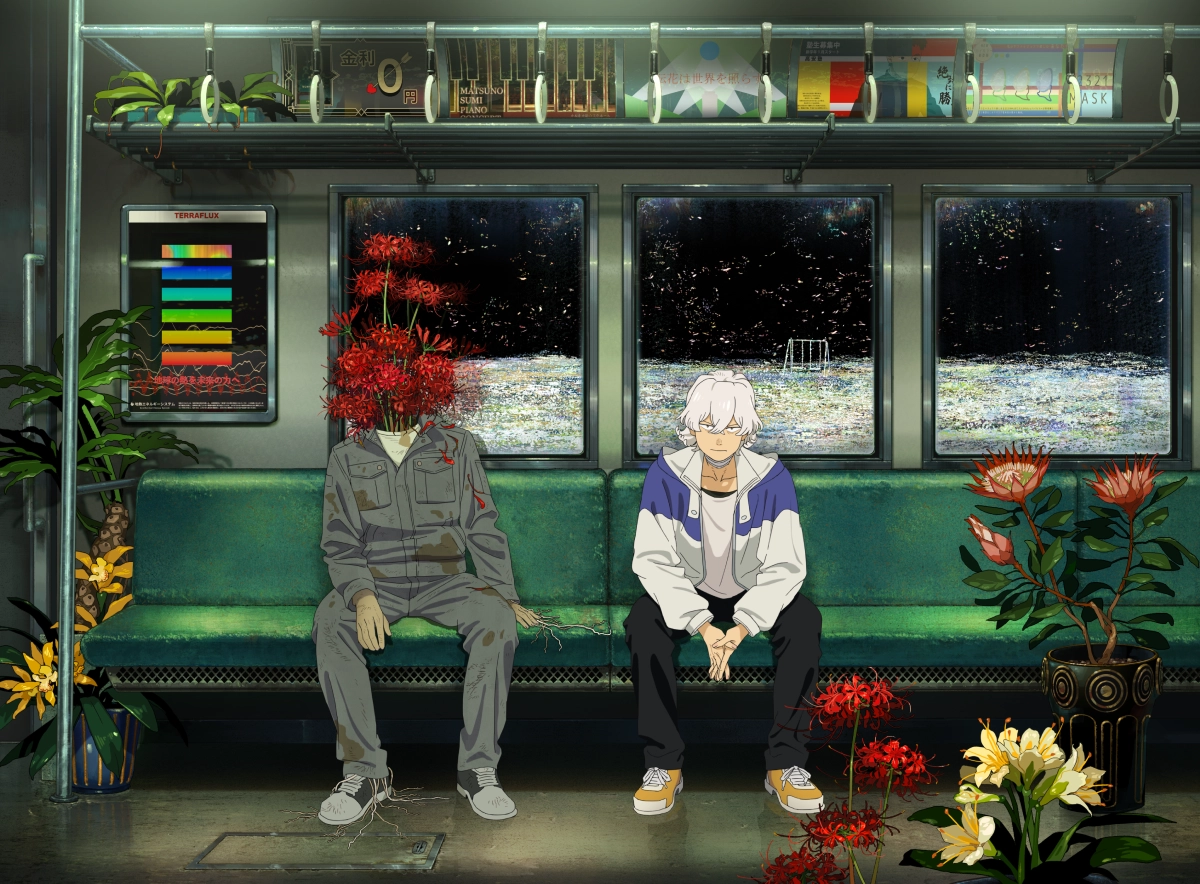
The anime is a clean entry point. It tells you what the world is, who Toshiro is and what the system does to people, in about five hours, and it does not require any background. If you finish it and want to know what happens after the train, the manga continues past the anime, and the manga-vs-anime page covers how the two relate without spoiling the reading order.
Common questions
Is Fool Night suitable for younger viewers?
What score does Fool Night have?
How long does it take to watch Fool Night?
 All 12 episodesFlower titles, runtimes and what each one covers.
 Characters and castWho is who, and the Japanese and English voices.
 Ending explainedIvy, Central and the three loose ends.
Is it worth watchingThe case for and against, without spoilers.
 Season 2 statusWhat has been announced and what has not.
 Manga vs anime13 volumes, Viz release and where to read on.